
Roof runoff and gutter movement
Overflow, loose fasteners, poor pitch, or water tracking behind the gutter can keep the fascia wet and damage the roof edge.
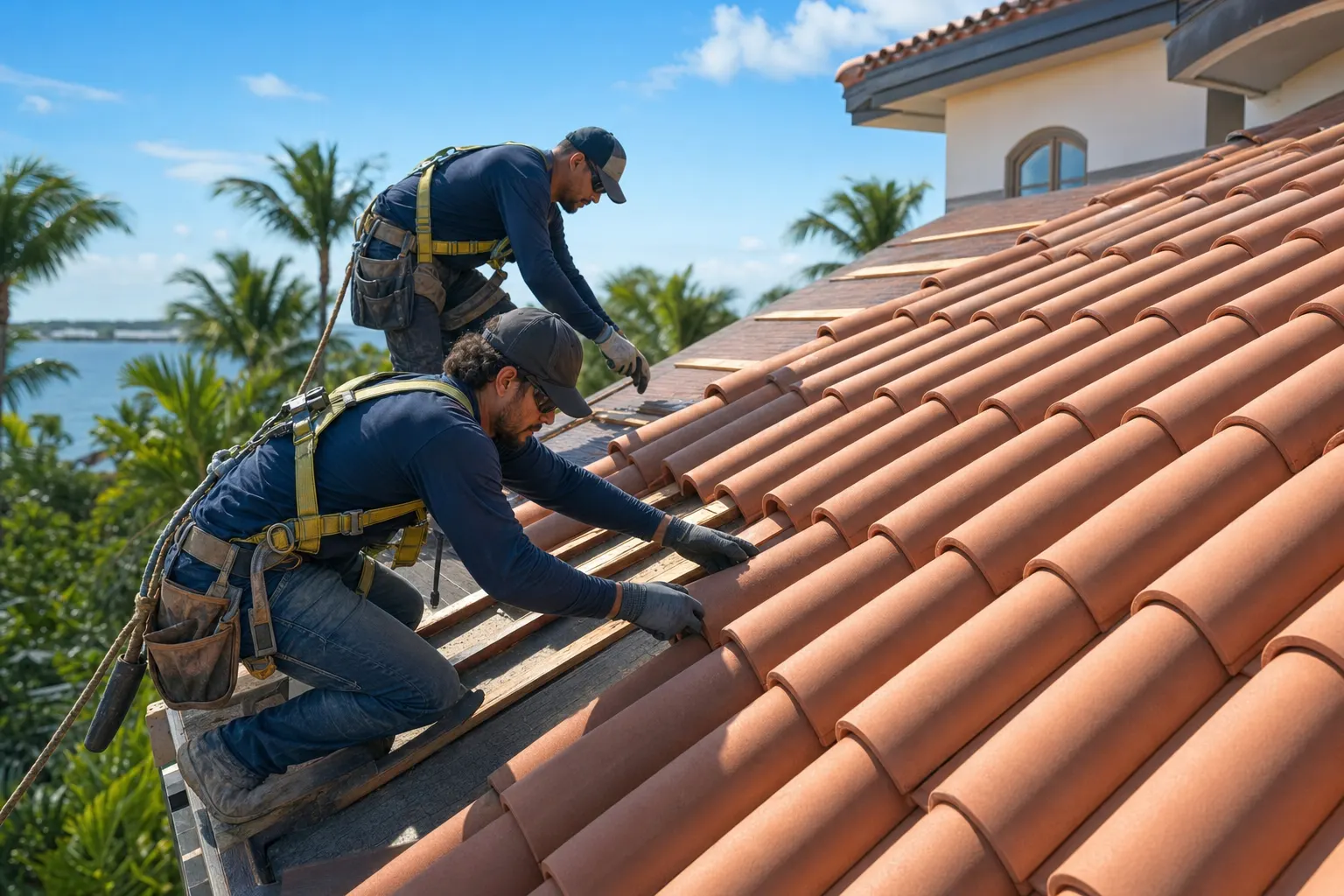
Soffit and fascia protect the roof edge, attic ventilation path, and finished look of the home. When rot, storm damage, gutter movement, animal entry, or water staining show up at the eaves, the repair needs to account for the roof, edge metal, ventilation, and surrounding materials together.
Tell us what’s going on and we’ll follow up with clear next steps.
Fascia supports the finished roof edge and often the gutter system. Soffit closes the underside of the eave and may provide attic intake ventilation. When either one fails, the source can be above or beside the damaged area: overflowing gutters, a displaced drip edge, failed roof covering, wind-driven rain, animal entry, plumbing or HVAC discharge, or chronic moisture at an unsealed joint.
Florida humidity can accelerate deterioration once coatings fail or wood stays wet. At the same time, storm gusts can loosen aluminum or vinyl panels and expose the attic edge. Replacing only the most visible panel may hide the source and allow damage to return.
A coordinated repair looks at the covering, edge metal, gutter attachment, framing, ventilation path, and finish materials together. If a reroof is planned soon, soffit and fascia decisions should be sequenced with that work so new components are not unnecessarily disturbed.
The location and pattern of damage often point to the upstream cause.
Overflow, loose fasteners, poor pitch, or water tracking behind the gutter can keep the fascia wet and damage the roof edge.
Missing, displaced, or poorly integrated edge details can direct water behind the fascia instead of away from the eave.
Blocked intake vents or disconnected exhaust ducts can contribute to attic heat and moisture. Replacement panels must preserve the designed ventilation path.
Loose panels, open corners, and deteriorated trim give wind or pests an entry point. The attachment and closure details matter during repair.
Fascia boards and soffit panels rarely fail in isolation. The source may be roof runoff, damaged drip edge, clogged or loose gutters, wind-driven rain, missing ventilation, or aging materials.
A durable repair considers how the roof drains, how the attic breathes, and how the eave assembly is protected from future water entry.
Soffit and fascia work is most durable when the water path and ventilation function are understood before finish materials go back.
We review the roof edge, gutter, visible covering, panels, trim, penetrations, and attic-side conditions where accessible.
Removal is limited to the area needed to evaluate framing, substrate, concealed rot, attachment, and the ventilation opening.
The repair scope may include compatible fascia, soffit, trim, ventilation components, gutter coordination, or roof-edge and flashing work.
New components are secured and finished as scoped, then the edge and drainage path are reviewed before cleanup.
Ask the repair scope to identify why the material failed and how that source will be addressed.
These answers provide a practical starting point. The building, roof assembly, permit jurisdiction, and observed conditions determine the final recommendation.
Common causes include clogged or misaligned gutters, damaged drip edge, repeated roof-edge overflow, failed paint or sealant, wind-driven rain, and water tracking behind the roof edge.
Often, yes. Localized soffit or fascia damage can be repaired when the roof edge and surrounding materials remain serviceable. If the roof edge is the source of the damage, that detail should be corrected at the same time.
Soffit vents help supply intake air for the attic ventilation system. Blocked, missing, or poorly detailed soffit ventilation can contribute to heat and moisture buildup, so ventilation should be reviewed before panels are replaced.
Use a city guide for local roof systems, weather exposure, permitting contacts, neighborhoods, and nearby communities—or explore every location we serve.
View all roofing locationsRoof replacements, repairs, storm response, and the communication that ties every project together.
1 / 22
We’ll take a look, explain what we find, and give you clear options built around your property and budget.