
Precise work-order intake
Record building, unit, room, symptom, timing, storm direction, interior photos, entry contact, and any ceiling or electrical concern.
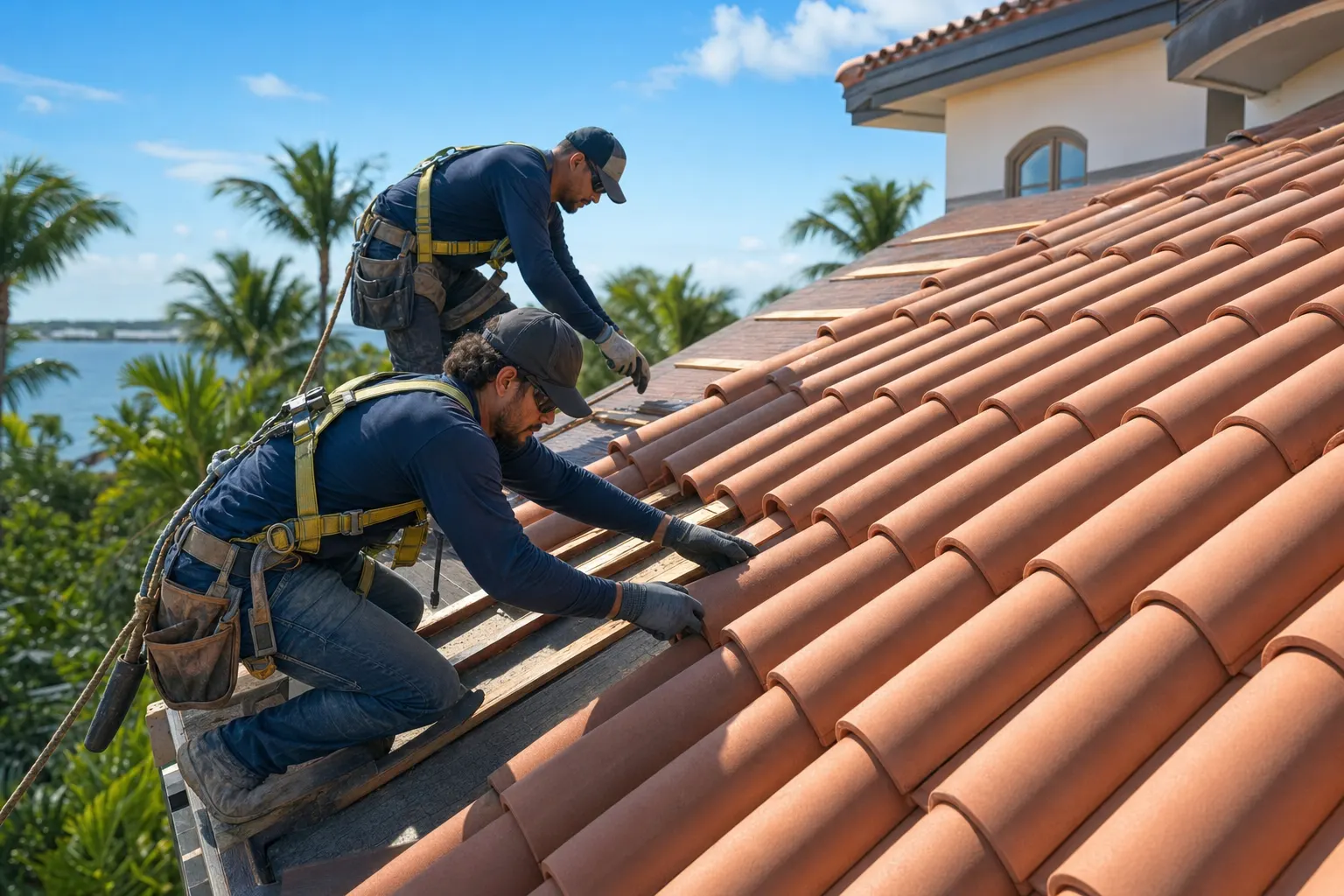
A multifamily repair needs to solve the immediate condition while updating the property’s broader roof record. Similar buildings and repeated details make pattern recognition especially valuable.
Tell us what’s going on and we’ll follow up with clear next steps.
A repair often starts with a unit number, but the roof investigation needs a precise building, roof area, interior location, weather history, and access contact. Similar unit layouts can create confusion if the location is not mapped before the rooftop review begins.
The failed detail may be a steep-slope valley, wall flashing, tile underlayment, shingle or metal penetration, low-slope seam, drain, scupper, curb, or transition between systems. The proper repair follows the existing assembly and the surrounding material condition.
Every completed repair updates the property’s larger plan. Multiple incidents at the same detail, repeated repairs on one building, unavailable materials, or broad substrate concerns can justify targeted inspections, preventive work, or replacement planning elsewhere in the portfolio.
Accurate location, resident safety, system compatibility, and consistent records are equally important.
Record building, unit, room, symptom, timing, storm direction, interior photos, entry contact, and any ceiling or electrical concern.
Water may cross multiple systems and transitions. The visible stain does not prove the roof defect is directly above it.
Interior access, pets, parking, gates, work zones, noise, and emergency pathways should be confirmed before mobilization.
Location, detail, material, repair, date, photos, and follow-up allow management to compare similar buildings and prioritize broader action.
The repair record connects the resident report, interior observation, rooftop condition, and completed work.
Repair frequency and repeated failure types help identify maintenance needs and replacement priorities.
A defined handoff between residents, site staff, management, and the roofing team keeps evidence and approvals intact.
Management confirms the location, interior condition, urgency, resident contact, and authorization while avoiding unsafe roof access.
We inspect likely pathways, surrounding materials, prior work, drainage, penetrations, transitions, and comparable details.
The scope defines preparation, materials, work limits, concealed conditions, resident impacts, and any required documentation.
Completed-work photos, remaining observations, repeated patterns, and recommended maintenance or capital actions update the record.
A consistent record helps managers verify work and recognize when isolated service calls have become a building or portfolio issue.
These answers provide a practical starting point. The building, roof assembly, permit jurisdiction, and observed conditions determine the final recommendation.
Active water entry, electrical or ceiling concerns, occupied-space impact, weather exposure, and the risk of broader damage typically influence response priority.
Yes. Orientation, shade, wind exposure, drainage, prior repairs, rooftop traffic, and installation differences can create different conditions even on same-age buildings.
When defects become widespread, compatible repairs become difficult, moisture or substrate concerns expand, or repair frequency and cost no longer support a reliable lifecycle strategy.
Use a city guide for local roof systems, weather exposure, permitting contacts, neighborhoods, and nearby communities—or explore every location we serve.
View all roofing locationsRoof replacements, repairs, storm response, and the communication that ties every project together.
1 / 22
We’ll take a look, explain what we find, and give you clear options built around your property and budget.